
By Kedar Verma, Co-founder · India Travel etc
15+ years in India travel; India Travel etc is a Ministry of Tourism recognised B2B DMC and active IATO member.
“When is the best time to visit India?” is the first question almost every agency client asks — and the honest answer is that there is no single season. India spans deserts, tropical coast, tea hills and high-altitude desert, and each follows its own calendar. Getting the timing right is the difference between a client who sees a monument in soft winter light and one who abandons the walk by mid-morning. This guide breaks the country down region by region so you can place each departure in its best window.
- The classic regions — Rajasthan, the Golden Triangle, South India — are at their best October to March.
- The monsoon (June–September) reshapes the map: fine for Kerala, poor for the desert.
- Ladakh and the high Himalaya invert the rule — they open in the European summer.
- Only combine regions that share a season; confirm peak-season services months ahead.
When is the best time to visit India overall?
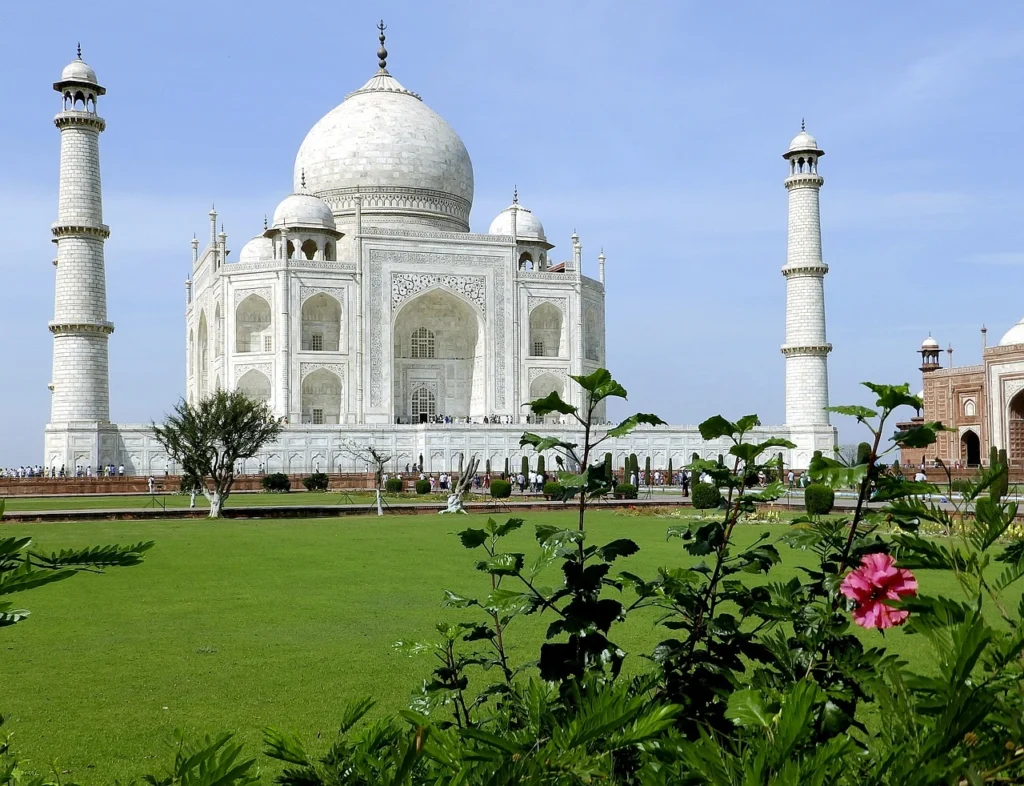
For the destinations most European travellers picture — the forts of Rajasthan, the Taj Mahal, the backwaters of the south — the best time to visit India is the dry season from October to March. Days are clear, mornings are cool, and sightseeing is comfortable from dawn to dusk. Within that window, November to February is the most reliable stretch.
The single most useful thing to explain to a client is that India does not have one weather pattern. A trip that works beautifully in January may be unworkable in June, and a Himalayan route that shines in July is snowed in by winter. Timing is regional, not national.
What is India’s high season and low season?
For the plains and the coast, high season tracks the dry months of October to March, with the festival weeks and the December–February stretch as the peak. This is when heritage properties, small-group departures and the best guides are in heaviest demand. Low season for these regions is the monsoon and the hot months that precede it — quieter, greener, and cheaper, but only workable in the right places.
The practical consequence for agencies: for October to March travel, confirm ground services early. Late peak-season requests get whatever availability is left, across every hotel category.
When is the best time to visit Rajasthan and North India?
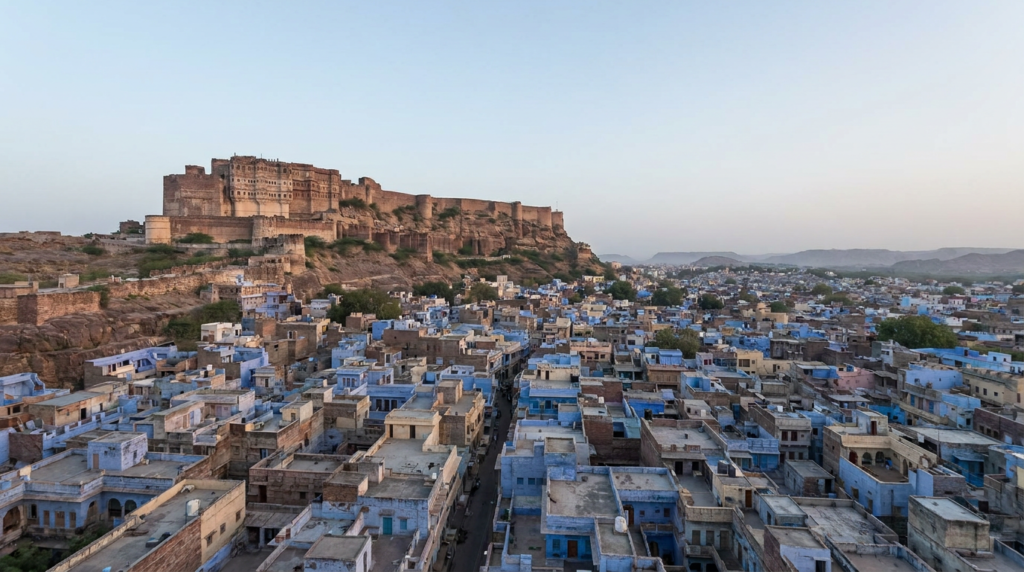
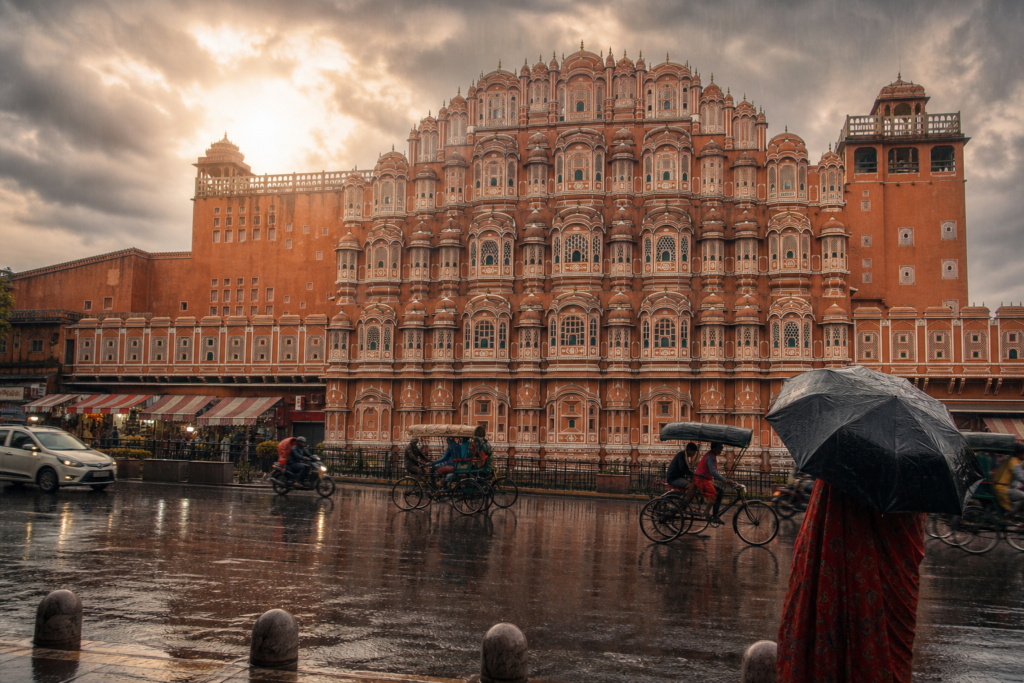
Rajasthan follows the classic calendar closely. The usable season runs October to March, with November to February the reliable window of clear, cool days. April and May bring intense heat that makes midday touring in the desert cities difficult. The monsoon months are quiet; Udaipur holds up well in the rains, but the western desert districts are best left off summer itineraries.
The same broadly applies to the wider North — the Golden Triangle and the Ganges valley — which sit on the plains and share Rajasthan’s rhythm. Plan your Rajasthan departures and Golden Triangle trips for the cool months, and be honest with summer-travelling clients about the heat rather than selling a peak experience in off-peak conditions.
When is the best time to visit Kerala and South India?
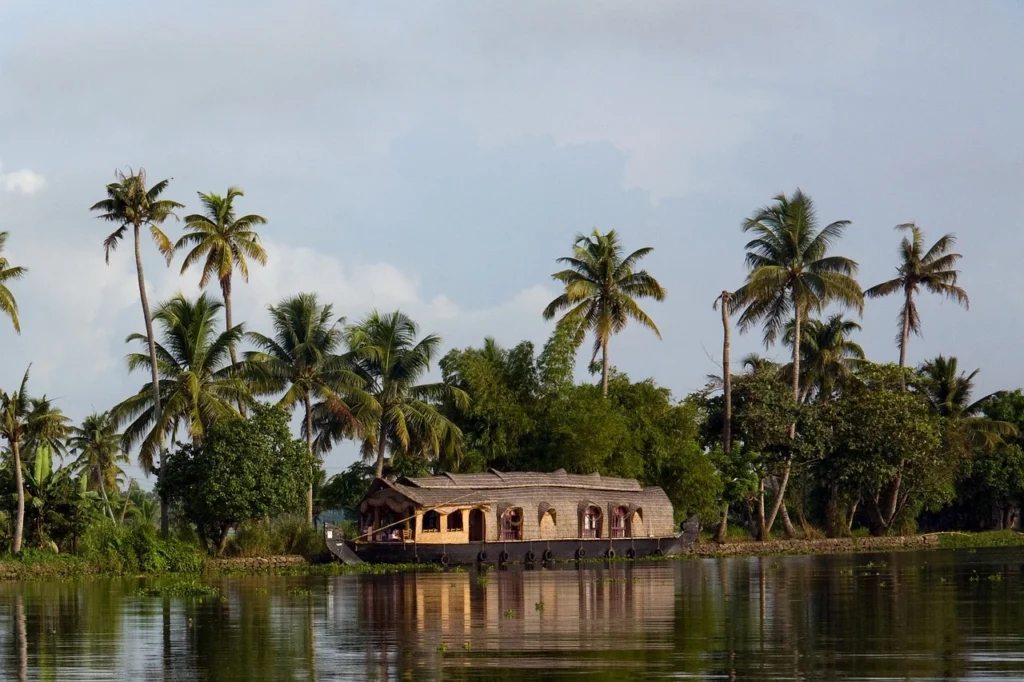
The south runs warmer and more humid year-round, and its calendar is softer than the north’s. The prime window for Kerala and the rest of South India is roughly October to March, when humidity eases and the backwaters, tea hills and temple towns are at their most comfortable.
Crucially, the south is less dependent on avoiding the monsoon than the north. Kerala’s greenery is at its most striking during and just after the rains, and for clients who want lush landscapes over guaranteed blue skies, the shoulder months can be a genuine option. Ayurveda-focused trips are also traditionally associated with the monsoon season, when the treatment climate is considered ideal.
When is the best time to visit Ladakh and the high Himalaya?
The mountains invert everything above. Ladakh and the high Himalaya are at altitude, so their comfortable season is the European summer — roughly June to September. Roads and passes are open, days are bright, and the high-desert landscapes are accessible. In deep winter much of the region is snowbound and access is limited.
This is why summer trips to India should be routed upward. When a client insists on a July or August departure, Ladakh and the Himalayan belt are the answer, not a heat-struck run through the plains.
When is the best time to visit the Northeast?
The Northeast — including Sikkim and Arunachal Pradesh — is best visited in the drier shoulder windows, broadly October to April, with the pre-monsoon spring bringing rhododendron bloom to the higher areas. The region is heavily affected by the monsoon, so the summer rains are best avoided for road-based touring. Because permits and logistics are more involved here, timing and lead time matter more than in the mainstream regions.
How should agencies handle the monsoon?
The monsoon is not a national curtain that comes down in June. It is a moving system that arrives in Kerala first and works its way north, and it affects each region differently:
| Kerala & the south | Green, atmospheric — workable |
| Rajasthan desert | Best avoided |
| Ladakh / high Himalaya | Peak season |
| Northeast | Difficult — heavy rain |
Read the monsoon as a routing tool, not a red flag. It tells you where a June–September departure should go.
How to schedule departures across regions
The rule that keeps multi-region trips comfortable is simple: only combine regions that share a season. Rajasthan, the Golden Triangle and South India align neatly in the October–March window, which is why those combinations work so well. A summer Ladakh trip, by contrast, is hard to pair with a lowland extension because their comfortable seasons barely overlap.
For tailor-made itineraries and group departures alike, set the season first, then design the route inside it. A ground DMC can flag the timing conflicts before they reach the client — and hold the properties while the season is still open.
Building India departures for your clients?
As your ground DMC, India Travel etc keeps the timing honest and the relationship yours. Send us a season and a region, and we’ll come back with a costed, workable plan — you stay the agency your clients booked with.
Frequently Asked Questions
What is the best time to visit India overall?
For most of the country the best time to visit India is October to March, when the weather is dry and comfortable across the classic regions of Rajasthan, the Golden Triangle and South India. The Himalaya and Ladakh are the exception and open up in the European summer, roughly June to September.
When is the monsoon in India?
The southwest monsoon runs broadly from June to September, arriving in Kerala first and moving north. It is not a washout for every region, but it shapes where departures should and should not go during those months. Kerala and Udaipur hold up well; the desert districts are best avoided.
Is India too hot to visit in summer?
April to June brings serious heat to the plains, Rajasthan and most of the North, making midday sightseeing hard. That same period is the prime window for Ladakh and the high Himalaya, so summer trips are best routed to altitude rather than the plains.
When is high season in India?
High season for the main tourist regions runs from October to March, peaking around the festival period and the December to February window. Heritage properties and small-group departures book out months ahead in these months, so early confirmation matters.
Can I combine several regions in one trip?
Yes, but only regions that share a season. Rajasthan, the Golden Triangle and South India all work well together from October to March. Pairing a summer Ladakh trip with a lowland region is harder because their comfortable seasons rarely overlap.
When should agencies confirm departures for peak season?
For October to March travel, confirm ground services and properties several months in advance. The festival weeks and the December to February peak are the tightest, and late requests get thinner availability across every hotel category.
Last updated: July 2026