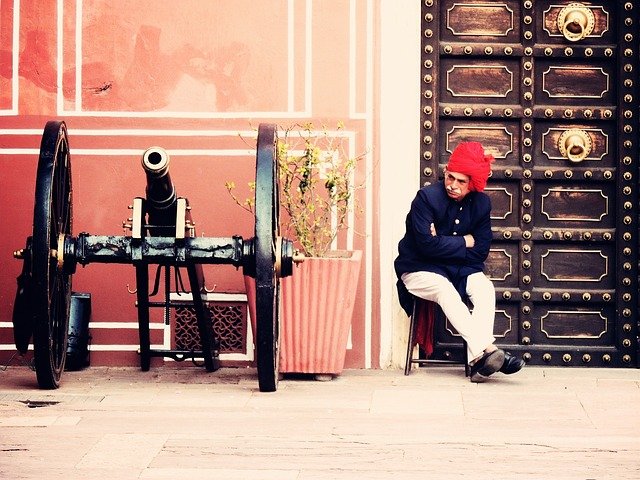
Planning a trip to India? Whether you're a first-time visitor or a returning explorer, having a reliable India travel planner by your side can transform a good trip into the journey of a lifetime. India is not just a destination — it's a full sensory experience packed with ancient temples, spice-scented bazaars, snow-capped Himalayan peaks, and sun-soaked coastlines. This comprehensive guide covers everything you need to know: the best time to visit India, must-see destinations, cultural etiquette, packing tips, transportation, food, safety, and budgeting.
📋 Table of Contents
🗓️ Best Time to Visit India
One of the first things every India trip planner must consider is timing. India's vast geography creates wildly different weather conditions across its regions. Understanding the three main seasons will help you pick the ideal window for your adventure.
Winter (October – March): The Peak Season
Winter is widely regarded as the best time to visit India for most travelers. With cool, comfortable temperatures across Rajasthan, Delhi, Agra, Kerala, and Goa, this is the season for sightseeing, beach holidays, and cultural festivals. The famous Pushkar Camel Fair, Diwali celebrations, and the Jaipur Literature Festival all fall within this window, making India especially vibrant.
Summer (April – June): Hill Station Season
While the plains can be scorching, India summer travel is perfect for escaping to Himalayan retreats like Shimla, Manali, Darjeeling, and Ladakh. Fewer crowds at popular monuments are a bonus. If you're an adventure seeker, this is prime time for high-altitude trekking and white-water rafting in Uttarakhand and Himachal Pradesh.
Monsoon (July – September): Off-Season Magic
The monsoon is India's best-kept secret season. The Western Ghats, Kerala backwaters, and Coorg transform into lush green paradises. Hotel rates drop significantly, and you'll share fewer tourist sites with the crowds. Just monitor weather updates carefully, as some routes may face landslides or flooding.
📍 Must-See Destinations Across India
No India travel itinerary is complete without carefully selecting your destinations. Here are the top regions every traveler should consider.
The Golden Triangle: Delhi, Agra & Jaipur
The Golden Triangle India tour is the classic entry point for first-time visitors. Delhi dazzles with its UNESCO World Heritage Sites — Red Fort, Humayun's Tomb, and Qutub Minar. Agra is home to the legendary Taj Mahal, one of the Seven Wonders of the World. Jaipur, the Pink City, impresses with the Amber Fort, City Palace, and Hawa Mahal. Together, this triangle delivers India's royal Mughal history in just one week.
Rajasthan: The Land of Kings
Rajasthan is arguably India's most photogenic state. Udaipur's lake palaces, Jodhpur's blue-hued old city, Pushkar's sacred ghats, and the Thar Desert's golden dunes at Jaisalmer offer an unmatched royal experience. Rajasthan travel belongs on every serious India travel bucket list.
Kerala: God's Own Country
Kerala offers a slower, more meditative pace. Drift through the Alleppey backwaters on a traditional houseboat, sip tea in Munnar's rolling plantations, spot elephants in Periyar Wildlife Sanctuary, and unwind on the serene shores of Varkala or Kovalam. Kerala is also a leading destination for Ayurveda wellness retreats in India.
Himachal Pradesh & Ladakh: The Himalayan Circuit
For trekkers, spiritual seekers, and adventure lovers, Himachal Pradesh travel and Ladakh offer some of the world's most dramatic landscapes. Explore Buddhist monasteries at Spiti Valley, paraglide in Bir Billing, or bike through Leh-Manali Highway — one of the world's highest motorable roads.
Varanasi: India's Spiritual Capital
No India travel guide is complete without Varanasi. Witnessing the Ganga Aarti ceremony at dawn is a profoundly moving experience that stays with travelers forever. Varanasi represents the beating spiritual heart of India.
🙏 Cultural Etiquette & Local Customs
Respecting local culture is a cornerstone of responsible travel. India is deeply traditional, and being mindful of customs will earn you genuine warmth from locals.
- Greet with "Namaste" — Press your palms together and bow slightly. It's universally respected across India.
- Remove shoes at religious sites — Mandatory when entering temples, mosques, gurudwaras, and many homes.
- Dress modestly — Cover shoulders and knees when visiting religious or rural areas. A lightweight scarf or shawl doubles as both sun protection and a modesty cover.
- Use your right hand — For eating, passing food, and exchanging gifts. The left hand is traditionally considered unclean.
- Ask before photographing people — Always seek permission before pointing a camera at locals, especially in rural or tribal communities.
- Respect cow crossings — Cows are sacred in Hindu culture. Be patient and never honk at them.
🎒 Essential Packing Tips for India
Smart packing is one of the most overlooked aspects of any India travel checklist. Here's what seasoned India travelers always bring:
Clothing
Pack lightweight, breathable fabrics like cotton and linen for the heat. Include modest clothing for religious sites — long pants, kurtas, and scarves are both culturally appropriate and incredibly comfortable. If you're visiting the Himalayas or northern India in winter, add thermal layers and a windproof jacket.
Health & Hygiene Essentials
Your India travel health kit should include: oral rehydration salts, antidiarrheal medication, broad-spectrum antibiotics (prescribed), hand sanitizer, mosquito repellent with DEET, sunscreen (SPF 50+), and any personal prescriptions. A UV-sterilization pen or water filter bottle is invaluable for safe hydration.
Tech & Travel Accessories
- Universal power adapter (India uses Type C, D, and M plugs)
- Portable power bank (power cuts are common in remote areas)
- Offline maps downloaded on Google Maps or Maps.me
- Photocopy of passport, visa, and travel insurance documents
- Small padlock for hostel lockers and bags
🚆 Navigating Transportation in India
India's transportation network is vast and varied. Choosing the right mode of travel can save time, money, and energy on your India travel journey.
Indian Railways: The Backbone of Travel
Train travel in India is an experience in itself. The Indian Railways network is one of the largest in the world, connecting virtually every city and town. For long distances, book AC 2-Tier or 3-Tier classes via the IRCTC website (book at least 30–60 days in advance for peak season). Luxury trains like the Palace on Wheels and Maharajas' Express offer a palatial rail experience through Rajasthan.
Domestic Flights
For covering long distances quickly, domestic flights in India are surprisingly affordable. Airlines like IndiGo, Air India, and SpiceJet connect all major cities. Book 4–6 weeks in advance for the best fares, typically ₹2,000–₹6,000 ($25–$75) for most routes.
Local Transportation
In cities, use Uber and Ola (India's homegrown ride-hailing app) for safe, metered rides. Auto-rickshaws are great for short hops — always confirm the fare beforehand or insist on the meter. In smaller towns, cycle rickshaws offer a charming and eco-friendly way to explore.
🍛 Food & Dining: What to Expect in India
Indian food is a revelation. Every state, every city, every street corner offers something unique. Your India food travel guide begins with understanding regional diversity.
Regional Cuisine Highlights
North India is famous for rich curries like butter chicken, dal makhani, and biryani. South India specializes in light, rice-based dishes: crispy dosas, fluffy idlis, and coconut-laden fish curries. West India offers Gujarati thalis and Rajasthani specialties like dal baati churma. East India is heaven for sweet lovers — Bengal's rasgulla, mishti doi, and sandesh are iconic.
Street Food: A Must-Try Experience
India's street food scene is legendary. In Delhi, try chaat and golgappa. In Mumbai, the vada pav (India's beloved street burger) is unmissable. In Kolkata, kathi rolls and puchkas reign supreme. As a general rule: eat at busy stalls with high turnover, stick to freshly cooked food, and avoid raw salads or cut fruits from street vendors.
Dining Etiquette
Vegetarianism is widespread — India has the world's largest vegetarian population. Most menus clearly label dishes as veg (green dot) or non-veg (red dot). Tipping 10% in restaurants is customary. Many traditional meals are served on thali platters — an economical and delicious way to sample multiple dishes in one sitting.
🛡️ Safety Tips for Travelers in India
India is generally safe for travelers, but like any major travel destination, it pays to stay informed and prepared.
- Guard your belongings in crowded areas — markets, train stations, and tourist sites are prime spots for pickpockets. Use anti-theft bags and keep valuables in hotel safes.
- Use official transportation — Stick to metered taxis, Uber, Ola, or hotel-arranged transport. Avoid unmarked cabs, especially at night.
- Stay hydrated safely — Drink only bottled or filtered water. Avoid ice unless you know it's made from purified water.
- Beware of common scams — "Closed monument" scams, fake tour guides, and overpriced tuk-tuks targeting tourists are common near heritage sites. Always verify information independently.
- Solo female travelers should dress conservatively, avoid traveling alone at night, and use women-only train compartments (available on Indian Railways).
- Get travel insurance before you go. Ensure it covers medical emergencies, trip cancellations, and theft.
💰 Budgeting Your India Trip: Realistic Costs
India is one of the most budget-friendly countries in the world, but your costs will vary significantly based on your travel style. Here's a realistic India travel budget breakdown:
Accommodation
- Budget (hostels, guesthouses): ₹500–₹1,500/night ($6–$18)
- Mid-range (3-star hotels, boutique stays): ₹2,500–₹6,000/night ($30–$72)
- Luxury (5-star hotels, heritage palaces): ₹8,000–₹50,000+/night ($100–$600+)
Food
- Street food & local dhabas: ₹100–₹400/meal ($1–$5)
- Mid-range restaurants: ₹500–₹1,200/meal ($6–$15)
- Fine dining: ₹1,500–₹4,000+/meal ($18–$50+)
Transportation
- Sleeper-class train tickets: ₹300–₹800 ($4–$10) for long routes
- Domestic flights: ₹2,000–₹6,000 ($25–$75) depending on route and timing
- Auto-rickshaw city rides: ₹50–₹200 ($0.60–$2.50)
✈️ Final Thoughts: Your India Adventure Awaits
India defies simple description. It's a country that challenges you, humbles you, overwhelms your senses, and ultimately captivates your soul. No matter how much you plan, India will surprise you — and that's exactly the magic of it.
With this India travel planner, you now have everything you need to make confident, informed decisions about your trip. Choose the right season, select destinations that match your interests, respect local customs, pack smart, eat boldly, and embrace the beautiful chaos that defines India.
From the snow-dusted peaks of the Himalayas to the sun-soaked beaches of Goa, from the spiritual stillness of Varanasi's ghats to the pulsating energy of Mumbai's streets — India is the journey of a lifetime, every single time.
"India is not just a place you visit. It's a place that visits you — and never fully leaves."
Ready to start planning? Bookmark this India travel planner, share it with your travel companions, and begin mapping out your dream itinerary today. The incredible subcontinent is waiting for you.